%2Ffit-in%2F250x250%2Fguide_websites%2F184646%2Fimages%2F1789782382028mr-trigger-logo.jpg&w=1920&q=100)
/users/a6b03828-6de0-462d-824e-49acc73d6731/ratecard/professional-first-mate-evelio-deck-mu4t5myb.jpg)
%2F300x300%2Fusers%2Fa6b03828-6de0-462d-824e-49acc73d6731%2Fratecard%2Fprofessional-first-mate-evelio-deck-mu4t5myb.jpg&w=256&q=75)
%2F300x300%2Fusers%2Fa6b03828-6de0-462d-824e-49acc73d6731%2Fimages%2Fwading-fishing-tamarindo-guanacaste-2542.jpg&w=256&q=75)
%2F300x300%2Fusers%2Fa6b03828-6de0-462d-824e-49acc73d6731%2Fimages%2Ftamarindo-ocean-sailing-adventure-2267.jpg&w=256&q=75)
%2F300x300%2Fusers%2Fa6b03828-6de0-462d-824e-49acc73d6731%2Fimages%2Fblue-marlin-tamarindo-catch-2587.jpg&w=256&q=75)
%2F300x300%2Fusers%2Fa6b03828-6de0-462d-824e-49acc73d6731%2Fimages%2Fswimming-splash-tamarindo-underwater-2276.jpg&w=256&q=75)
%2F300x300%2Fusers%2Fa6b03828-6de0-462d-824e-49acc73d6731%2Fimages%2Ftamarindo-fishing-chair-setup-2556.jpg&w=256&q=75)
%2F300x300%2Fusers%2Fa6b03828-6de0-462d-824e-49acc73d6731%2Fimages%2Ftamarindo-fishing-boat-setup-2581.jpg&w=256&q=75)
%2F300x300%2Fusers%2Fa6b03828-6de0-462d-824e-49acc73d6731%2Fimages%2Ffishing-boat-tamarindo-waters-2413.jpg&w=256&q=75)
%2F300x300%2Fusers%2Fa6b03828-6de0-462d-824e-49acc73d6731%2Fimages%2Fmahi-mahi-tamarindo-fishing-catch-2518.jpg&w=256&q=75)
%2F300x300%2Fusers%2Fa6b03828-6de0-462d-824e-49acc73d6731%2Fimages%2Ftamarindo-redfish-fishing-catch-2610.jpg&w=256&q=75)
%2F300x300%2Fusers%2Fa6b03828-6de0-462d-824e-49acc73d6731%2Fimages%2Fwahoo-catch-tamarindo-fishing-2582.jpg&w=256&q=75)
Extended Multi-Day Big Game Hunting Package
 Tamarindo, Costa Rica
What you will be catching:
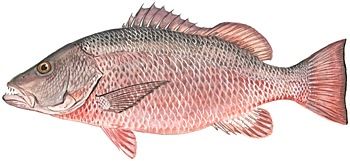 Cubera Snapper
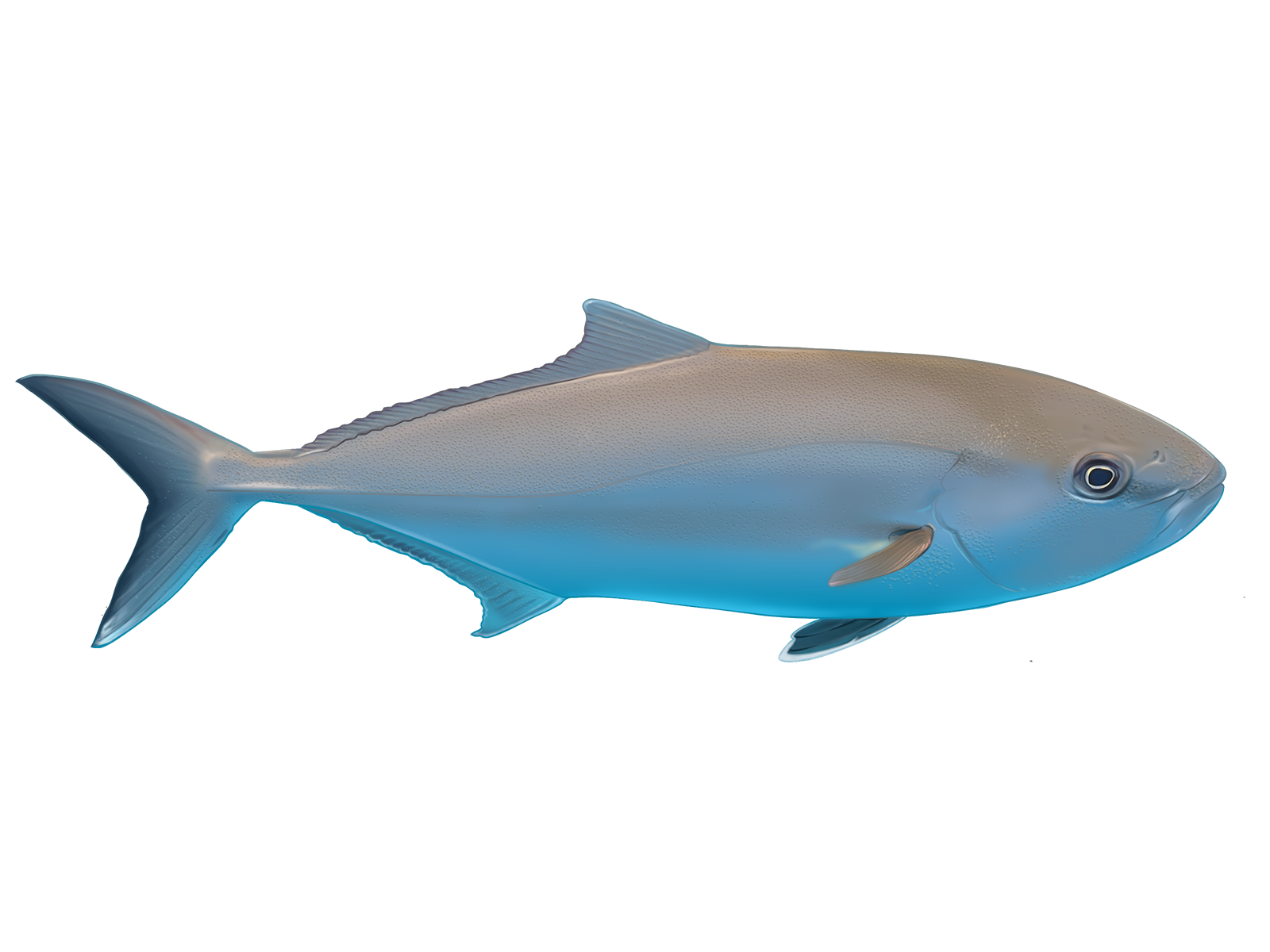 Greater Amberjack
 Mahi Mahi or Common Dolphinfish
 Roosterfish
 Yellowfin Tuna
- Three-day offshore marlin hunting expedition with Captain Jason
- Daily 12-hour trips targeting Blue, Black, and Striped Marlin
- Includes hot breakfasts, fresh lunches, and heavy tackle setup
Trip Pricing and Availabilities:
Extended Multi-Day Big Game Hunting Package
Captain Jason knows that big pelagic fish don't operate on human schedules. That's why this three-day package gives serious anglers the time they need to properly hunt marlin, tuna, and other trophy species in Costa Rica's deep blue waters. Starting each morning before sunrise and returning after sunset, you'll spend your days 12 miles offshore where the real monsters cruise. This isn't a casual day trip – it's a focused fishing campaign designed for anglers who understand that finding giants takes patience, skill, and plenty of ocean time.
What to Expect on the Water
Each day kicks off with a hot breakfast dockside before you head out into the pre-dawn darkness. Captain Jason uses these early hours to reach productive water while monitoring current breaks, temperature changes, and baitfish activity. The boat stays positioned in deep water where blues, blacks, and striped marlin patrol the thermocline. You'll work different spread patterns throughout each day – sometimes pulling lures at 8 knots, other times slow-trolling live bait when conditions call for finesse. Fresh lunches keep everyone fueled during the long days, and the extended schedule means you can afford to move spots when fish aren't cooperating. By evening, you've covered serious ground and maximized your time in prime big game territory.
Heavy Tackle & Deep-Sea Setup
This package runs on serious offshore gear built for trophy fish. Captain Jason rigs heavy trolling spreads with proven lures and fresh ballyhoo, adjusting the setup based on daily conditions and target species. The boat carries 50 and 80-pound class tackle, outriggers, and downriggers to cover different depths and present baits naturally. Live bait gets deployed when marlin are being picky, and the crew knows how to work structure breaks where amberjack and big tuna stage up. Three consecutive days allows time to dial in exactly what's working – maybe day one shows that wahoo prefer the blue-and-white islanders, while day two reveals that yellowfin are hitting deep-dropped live goggle-eyes. This extended approach lets you adapt and improve your strategy instead of just hoping for luck on a single outing.
Species You'll Want to Hook
Roosterfish patrol the deeper edges around Playa Flamingo, and these iconic fighters put on shows that make every angler's highlight reel. They average 30-50 pounds in these waters, with their distinctive dorsal fins creating one of fishing's most recognizable silhouettes. Peak season runs May through September when they move into deeper water to feed on sardine schools. What makes roosters special is their aerial display – they'll jump, tail-walk, and throw the hook if you don't keep steady pressure. Captain Jason targets them around rocky points and current breaks where they ambush baitfish.
Mahi mahi, or dorado as locals call them, provide consistent action year-round with peak numbers from May through August. These 20-40 pound speedsters hit trolled baits hard and immediately go airborne, making multiple jumps while showing off their brilliant gold and green colors. They school around floating debris, weed lines, and current edges – exactly the type of structure you'll be working during this extended package. Mahi are perfect for keeping the action steady between shots at larger pelagics, and they're outstanding table fare when you want to bring dinner back to shore.
Greater amberjack stage up around deeper structure and seamounts, typically weighing 40-80 pounds in these offshore waters. These bruisers test your tackle and endurance with powerful runs toward the bottom. Peak season runs October through March when they gather in larger schools. What makes amberjack exciting is their initial run – they'll strip 200 yards of line before you can blink, then dig toward structure trying to break you off. The three-day format gives you time to specifically target the offshore humps and ledges where the biggest AJs hide.
Yellowfin tuna cruise these waters year-round, with the largest specimens showing up during the cooler months from December through April. The offshore waters around Playa Flamingo regularly produce 100+ pound yellowfin, and these fish demand respect. They make blistering runs that test your drag system and fight with power that'll leave your arms aching. Captain Jason targets them around temperature breaks and current lines, often finding them mixed with dolphin pods or working baitfish schools.
Cubera snapper represent the ultimate bottom bounty in deeper waters, with specimens reaching 40-60 pounds around offshore structure. These copper-colored giants prefer rocky bottom and drop-offs, hitting large baits presented near the seafloor. Peak fishing happens during their spawning aggregations from May through September. Cuberas are notorious for their crushing bite and bulldogging fight – they'll wrap you around structure if given the chance. Finding trophy cubera requires local knowledge of specific offshore humps and ledges that Captain Jason has marked over years of fishing these waters.
Time to Book Your Spot
This multi-day package books up fast because serious anglers know the value of extended offshore time. Three consecutive days gives you the best shot at multiple species while allowing Captain Jason to adjust tactics based on daily conditions and fish behavior. The combination of local expertise, quality tackle, and maximum time on the water creates the perfect setup for trophy hunting in Costa Rica's rich offshore waters. Don't settle for rushed day trips when targeting fish of a lifetime – book this comprehensive package and give yourself the time needed to connect with Playa Flamingo's legendary big game fishing.
Learn more about the animals
Cubera Snapper
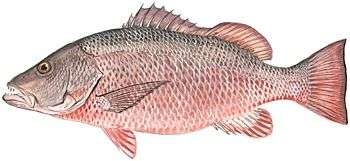
Cubera snapper are the giants of the snapper family, with thick lips, massive canine teeth, and the attitude to match. These gray-brown heavyweights commonly hit 40 pounds and 3 feet, but true monsters can reach 120 pounds. They live around rocky ledges, reefs, and structure in 50-150 feet of water, ambushing crabs, lobsters, and smaller fish. Best fishing happens May through August during their spawn when they move to shallow offshore areas. Anglers love cuberas for their bulldogging power and because they're excellent eating, though larger fish can carry ciguatera. Use medium-sized live fish like skipjack or squid-tipped jigs around structure. Once hooked, pull hard and fast - these bruisers will wrap you up in the rocks if you let them. Timing the hookset is critical: give them a moment to take the bait, but don't wait too long.
Greater Amberjack
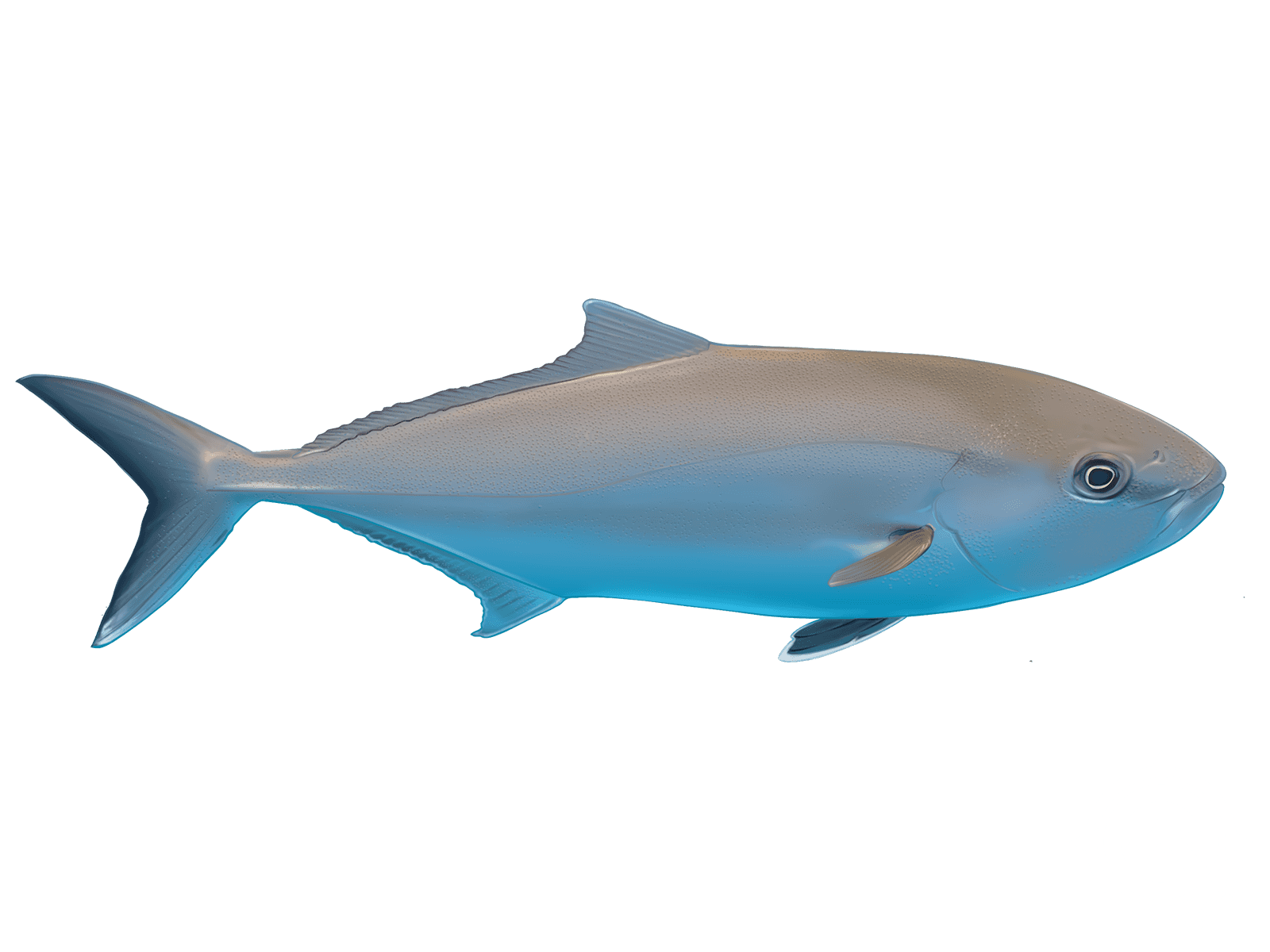
Greater amberjacks are bluish-grey bruisers that can push 6 feet and 40+ pounds, though we see fish much larger around our deeper structures. They hang around rocky bottoms, reefs, and wrecks, typically in 100-300 feet of water where they ambush smaller fish and squid. Peak season runs April through May during their spawn, but we catch them year-round. What gets anglers fired up about amberjacks is their bulldogging fight - they'll take you straight to the bottom and test your drag system. They're also excellent table fare with firm, white meat. These fish aren't picky eaters, so live bait, jigs, or plugs all work well. The key is getting them away from structure fast once hooked. Use heavy tackle - 50-pound line minimum - because they'll wrap you up in the rocks if you give them half a chance.
Mahi Mahi or Common Dolphinfish
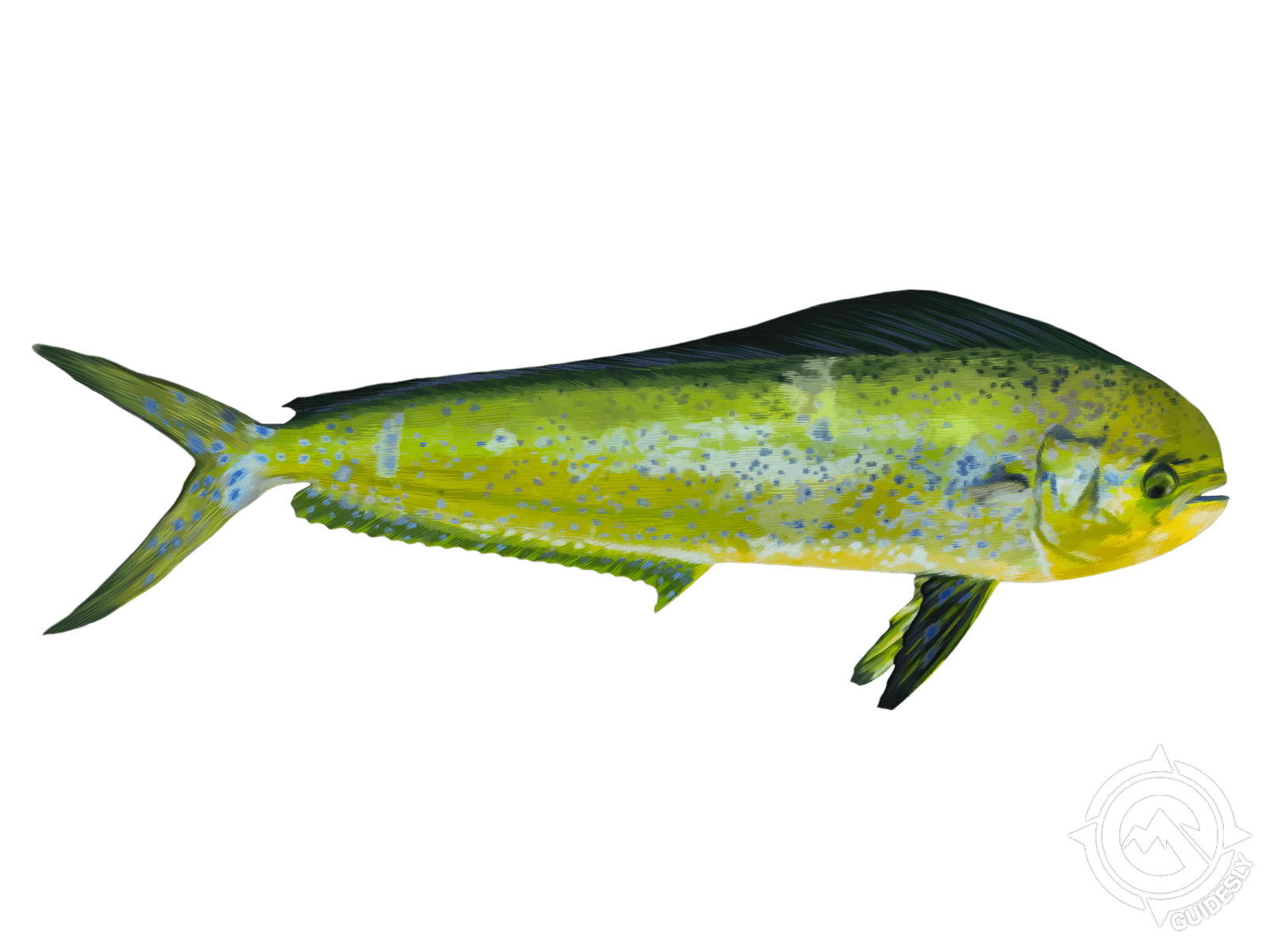
Mahi mahi are some of the most colorful fish you'll see, flashing gold, blue, and green underwater before putting on a light show when boated. They average 15-29 pounds but can hit 80+ pounds out here. These fast-growing pelagic fish live around floating debris, weedlines, and current breaks in the upper water column. We target them year-round in our warm Pacific waters, but they're especially active during warmer months. Guests love mahi for their acrobatic fights - they jump, tail-walk, and make blazing runs. Plus, they're some of the best eating fish in the ocean with firm, mild white meat. When trolling for them, keep your baits skipping on the surface like flying fish. Once you hook one, work the area hard - they usually travel in schools, so where there's one, there's often more.
Roosterfish
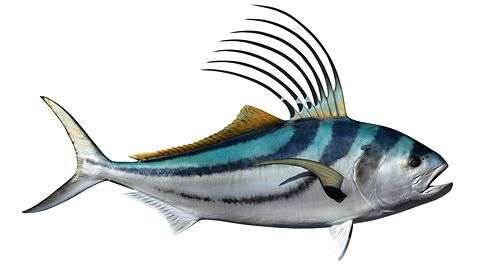
Roosterfish are something special out here - they're the only fish in their family, instantly recognizable by that dramatic rooster comb of spines they flash when excited. These inshore fighters average around 110 pounds and can stretch over 5 feet, making them serious gamefish. You'll find them cruising sandy bottoms and around rocky areas in warm water, usually within a few miles of shore. They're year-round residents, but we see more action during the warmer months. What makes guests love targeting roosters is that explosive fight - they make long, powerful runs and always save one last burst when they see the boat. The meat's tough, so most folks catch and release after photos. Pro tip: when using live bait like sardines or blue runners, let them take it and run before setting the hook hard.
Yellowfin Tuna
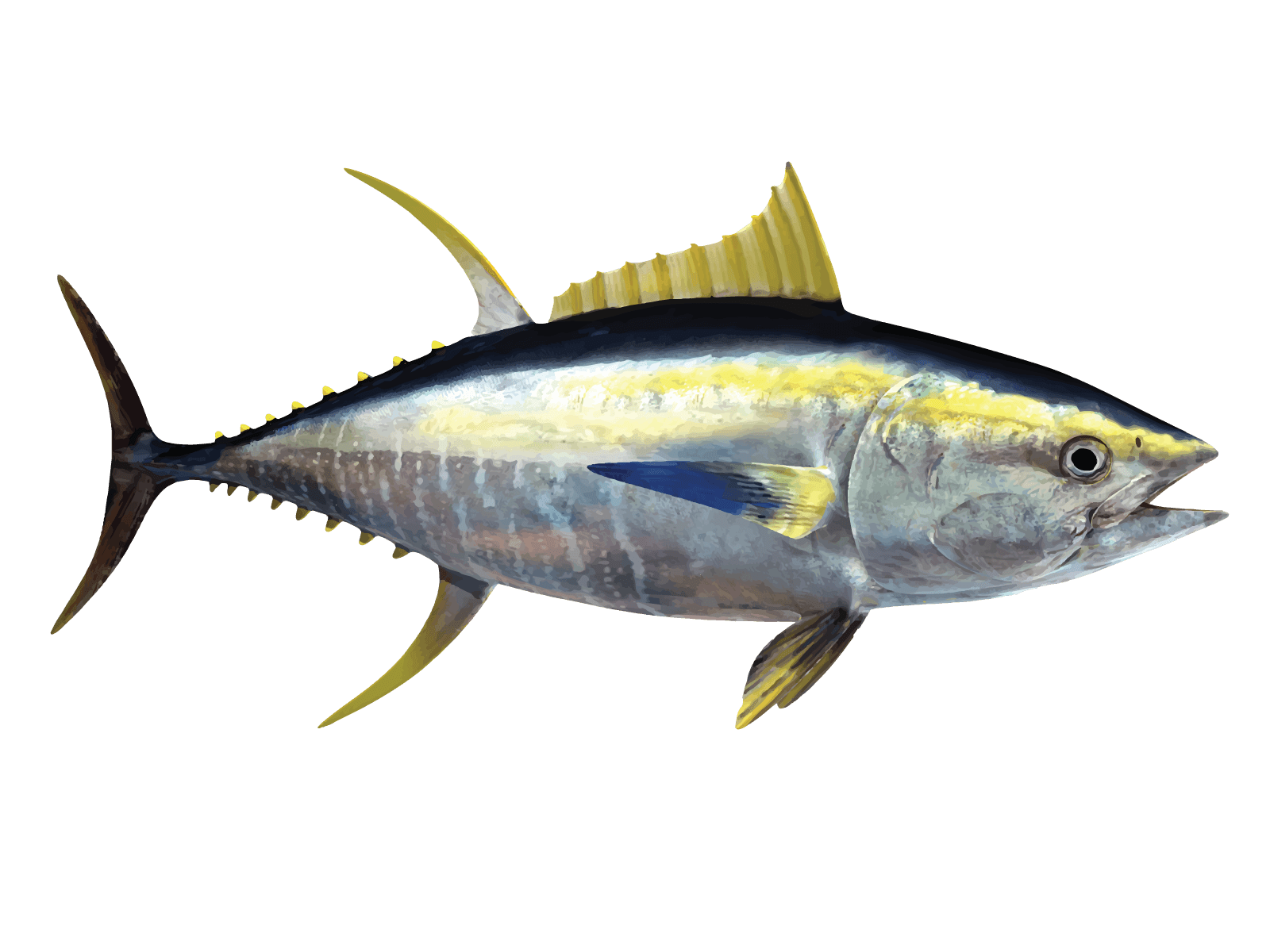
Yellowfin tuna are built for speed with their torpedo bodies and bright yellow fins, cruising at 50 mph through blue water. Most fish we catch run 60 pounds, but they can reach 400+ pounds. These warm-blooded pelagic hunters stay in the upper 300 feet of offshore waters, following baitfish and current breaks. They're here year-round, but fishing peaks during warmer months when bait concentrations are thickest. Anglers target yellowfin for their blistering runs and because they're premium sashimi-grade fish - some of the best eating in the ocean. We troll rigged ballyhoo and lures, but when they're finicky, chunking with cut bait brings them up from the depths. Pro tip: when you mark fish deep but they won't bite the spread, switch to heavy jigs and work them vertically. These fish can be moody, but persistence pays off.
About the Mr Trigger
%2F%2Fusers%2Fa6b03828-6de0-462d-824e-49acc73d6731%2Fvehicle_picture%2Fmrtrigger-mu4pfm0g.jpg&w=1920&q=75)
Vehicle Guest Capacity: 4
Manufacturer Name: Cat3126
Maximum Cruising Speed: 35
Number of Engines: 2
Horsepower per Engine: 420