%2Ffit-in%2F250x250%2Fguide_websites%2F184646%2Fimages%2F1789782382028mr-trigger-logo.jpg&w=1920&q=100)
/users/a6b03828-6de0-462d-824e-49acc73d6731/ratecard/playa-flamingo-inshore-fishing-run-mu4t4kbc.jpg)
%2F300x300%2Fusers%2Fa6b03828-6de0-462d-824e-49acc73d6731%2Fratecard%2Fplaya-flamingo-inshore-fishing-run-mu4t4kbc.jpg&w=256&q=75)
%2F300x300%2Fusers%2Fa6b03828-6de0-462d-824e-49acc73d6731%2Fimages%2Fwading-fishing-tamarindo-guanacaste-2542.jpg&w=256&q=75)
%2F300x300%2Fusers%2Fa6b03828-6de0-462d-824e-49acc73d6731%2Fimages%2Ftamarindo-ocean-sailing-adventure-2267.jpg&w=256&q=75)
%2F300x300%2Fusers%2Fa6b03828-6de0-462d-824e-49acc73d6731%2Fimages%2Fblue-marlin-tamarindo-catch-2587.jpg&w=256&q=75)
%2F300x300%2Fusers%2Fa6b03828-6de0-462d-824e-49acc73d6731%2Fimages%2Fswimming-splash-tamarindo-underwater-2276.jpg&w=256&q=75)
%2F300x300%2Fusers%2Fa6b03828-6de0-462d-824e-49acc73d6731%2Fimages%2Ftamarindo-fishing-chair-setup-2556.jpg&w=256&q=75)
%2F300x300%2Fusers%2Fa6b03828-6de0-462d-824e-49acc73d6731%2Fimages%2Ftamarindo-fishing-boat-setup-2581.jpg&w=256&q=75)
%2F300x300%2Fusers%2Fa6b03828-6de0-462d-824e-49acc73d6731%2Fimages%2Ffishing-boat-tamarindo-waters-2413.jpg&w=256&q=75)
%2F300x300%2Fusers%2Fa6b03828-6de0-462d-824e-49acc73d6731%2Fimages%2Fmahi-mahi-tamarindo-fishing-catch-2518.jpg&w=256&q=75)
%2F300x300%2Fusers%2Fa6b03828-6de0-462d-824e-49acc73d6731%2Fimages%2Ftamarindo-redfish-fishing-catch-2610.jpg&w=256&q=75)
%2F300x300%2Fusers%2Fa6b03828-6de0-462d-824e-49acc73d6731%2Fimages%2Fwahoo-catch-tamarindo-fishing-2582.jpg&w=256&q=75)
Inshore Trip for Heavy Surface Strikes
 Tamarindo, Costa Rica
What you will be catching:
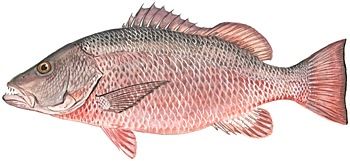 Cubera Snapper
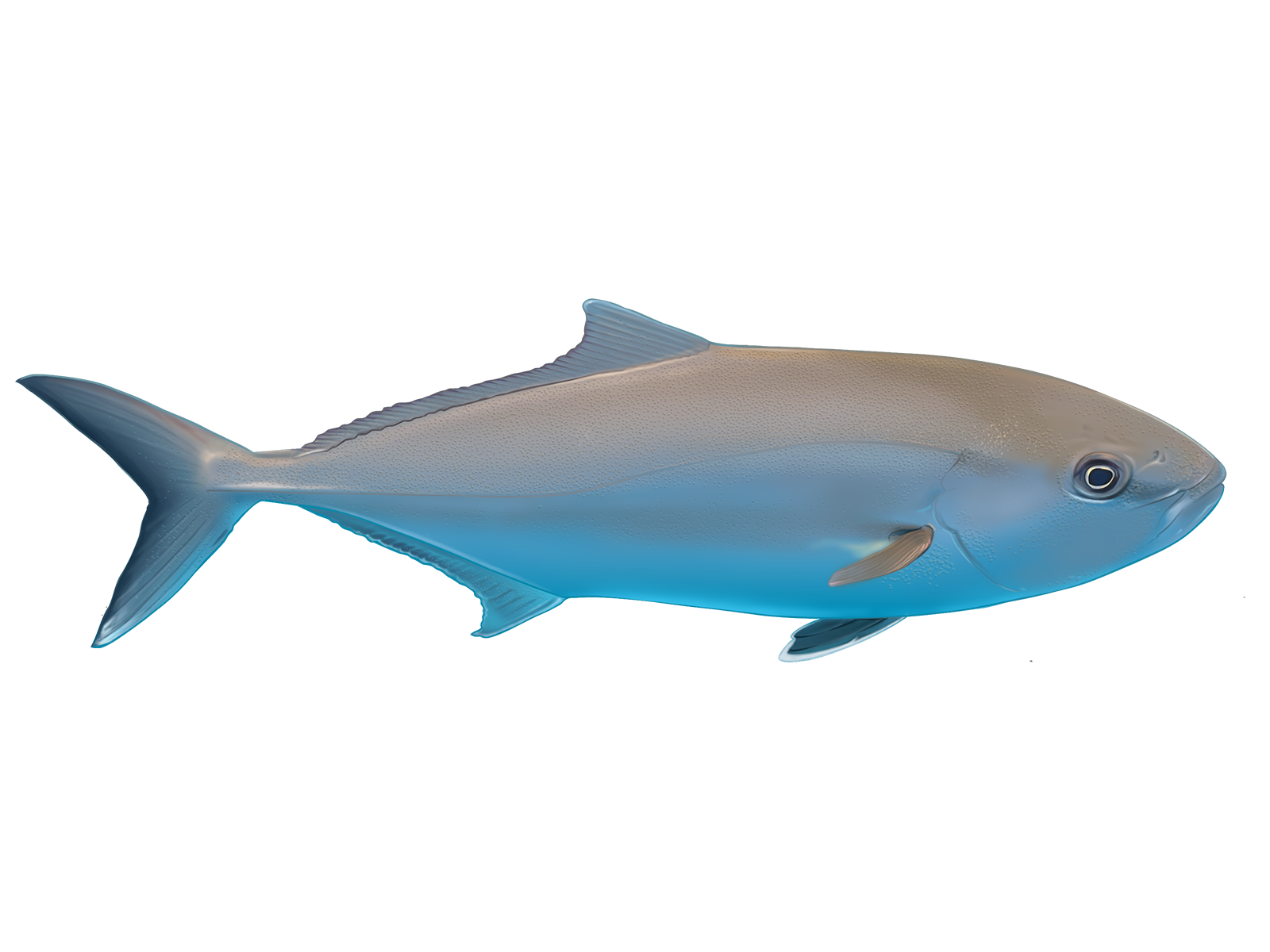 Greater Amberjack
 Redfish
 Snook
Snook
- Five-hour inshore reef fishing expedition targeting premium species
- Surface strikes using topwater lures and live bait techniques
- Professional instruction in casting, popping, and bottom fishing methods
Trip Pricing and Availabilities:
Inshore Trip for Heavy Surface Strikes
If you're looking for heart-pounding action without the long run to blue water, this inshore trip out of Playa Flamingo delivers exactly what you're after. Captain Jason and First Mate Evelio know these shallow reefs and rocky points like the back of their hands, and they'll have you casting into productive water within minutes of leaving the dock. This isn't about covering massive distances – it's about working the structure where big fish feed aggressively in relatively shallow water. You'll spend five solid hours cycling through different techniques, from explosive topwater strikes to heavy bottom fish that'll test your drag system.
What to Expect on the Water
Your day starts with active bait gathering, which means you're not wasting time with dead or tired bait when the bite is hot. Captain Jason positions the boat over productive reefs where sardines and ballyhoo concentrate, and once the live wells are loaded, the real fun begins. The beauty of this inshore approach is the variety – one minute you're working a popper across a rocky point watching for that telltale explosion, the next you're dropping live bait down a ledge waiting for something substantial to pick it up. The shallow reefs off Playa Flamingo create perfect ambush points where predators stack up, and the constant structure changes keep you moving and engaged. This top-rated inshore experience accommodates up to four anglers, so there's plenty of room to work without getting tangled up in each other's lines.
Techniques That Produce
You'll rotate through four main approaches depending on what the fish are telling you. Topwater popping is where this trip really shines – working surface plugs and poppers over shallow reefs creates some of the most explosive strikes you'll see in Costa Rican waters. When fish are holding deeper along the ledges, live bait presentations with circle hooks let you feel every subtle pickup before setting the hook. Jigging vertical structure produces aggressive strikes from amberjack and snapper that hit hard and fight dirty in the rocks. Bottom fishing with heavier tackle targets the bigger grouper and cubera snapper that lurk in caves and undercuts. Captain Jason reads the conditions and fish behavior to determine which technique to emphasize, but you'll likely cycle through all four methods during your five hours on the water. The light tackle approach keeps fights interesting without being overwhelming for less experienced anglers.
Species You'll Want to Hook
Snook are the crown jewel of inshore fishing around Playa Flamingo, and these ambush predators know how to use structure to their advantage. They typically range from 15 to 35 pounds in these waters, with occasional giants pushing 40-plus showing up around the deeper rocky points. Best action happens during moving water when they position themselves in current breaks and attack bait with surprising aggression. What makes snook so exciting is their unpredictability – they'll crush a topwater plug one minute and ignore everything the next, then suddenly go crazy when you switch to live sardines. Their gill-rattling jumps and powerful runs toward structure keep you on your toes throughout the fight.
Redfish in Costa Rican waters are copper-colored powerhouses that average 20 to 45 pounds and absolutely love the shallow reef structure off Playa Flamingo. Unlike their smaller Gulf Coast cousins, these Pacific redfish are built for open water and fight with sustained power rather than short bursts. They feed aggressively on the bottom around rocky areas during tide changes, making them perfect targets for live bait presentations and heavier jigs. Peak action typically occurs during the dry season months when they school up in larger numbers, though resident fish provide consistent action year-round. The combination of size, fight, and willingness to eat makes them a customer favorite for anglers wanting to feel serious weight on their line.
Greater Amberjack are the speed demons of this fishery, typically ranging from 25 to 60 pounds with occasional monsters exceeding 80 pounds lurking around the deeper ledges. These fish hit jigs and live bait with incredible force, then immediately try to dive back to structure where they can break you off. What makes amberjack fishing so addictive is their willingness to bite – when they're active, you can catch multiple fish in quick succession before they wise up. Best action happens during the warmer months when they school heavily around vertical structure, though smaller resident fish provide action throughout the year. Their combination of speed, power, and fighting ability in relatively shallow water creates some of the most memorable battles you'll experience on light tackle.
Cubera Snapper represent the heavyweight division of inshore fishing, with mature fish commonly exceeding 40 pounds and true giants pushing 80-plus pounds hiding in the deeper caves and ledges. These nocturnal feeders become more active during low-light periods, making early morning and late afternoon the prime windows for targeting them. They're notorious for their powerful initial runs and ability to cut lines on sharp structure, which is why Captain Jason uses heavier leaders when targeting them specifically. What makes cubera so special is their rarity and size – landing a genuine big cubera snapper is a career fish for most anglers. Their prehistoric appearance and bulldogging fighting style create battles that test both your tackle and your endurance, especially when they refuse to leave the bottom structure.
Time to Book Your Spot
This world-class inshore experience combines the convenience of staying close to shore with the excitement of targeting serious gamefish in their preferred habitat. Captain Jason and First Mate Evelio bring decades of local knowledge to every trip, positioning you over the most productive structure and adjusting techniques based on real-time conditions. The five-hour format gives you enough time to work multiple spots and techniques without feeling rushed, while the four-angler capacity ensures everyone gets plenty of rod time. Whether you're an experienced angler looking for consistent action or someone newer to saltwater fishing who wants to experience what Costa Rican waters can produce, this trip delivers the goods. Book your spot now and get ready to experience why Playa Flamingo's inshore re
Learn more about the species
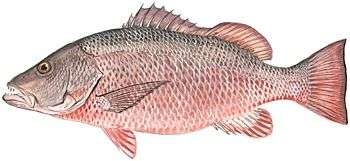
Cubera Snapper
Cubera are the heavyweights of the snapper family - thick-bodied bruisers with massive canine teeth and attitudes to match. Most we see run 15-40 pounds, but the giants can push 100+ pounds. They hang around rocky ledges and reef structure in 30-150 feet, ambushing crabs, lobsters, and smaller fish. May through August is prime time when they move shallow to spawn and feed aggressively. What gets anglers hooked is that bone-jarring strike and bulldogging fight - they'll head straight for the rocks once hooked. The large ones are true trophies and decent eating in smaller sizes. Here's what works: use live bait or large jigs around structure, but the moment you feel that thump, start winding fast. Don't give them time to think - their first instinct is to dive back into the rocks where they'll cut you off.
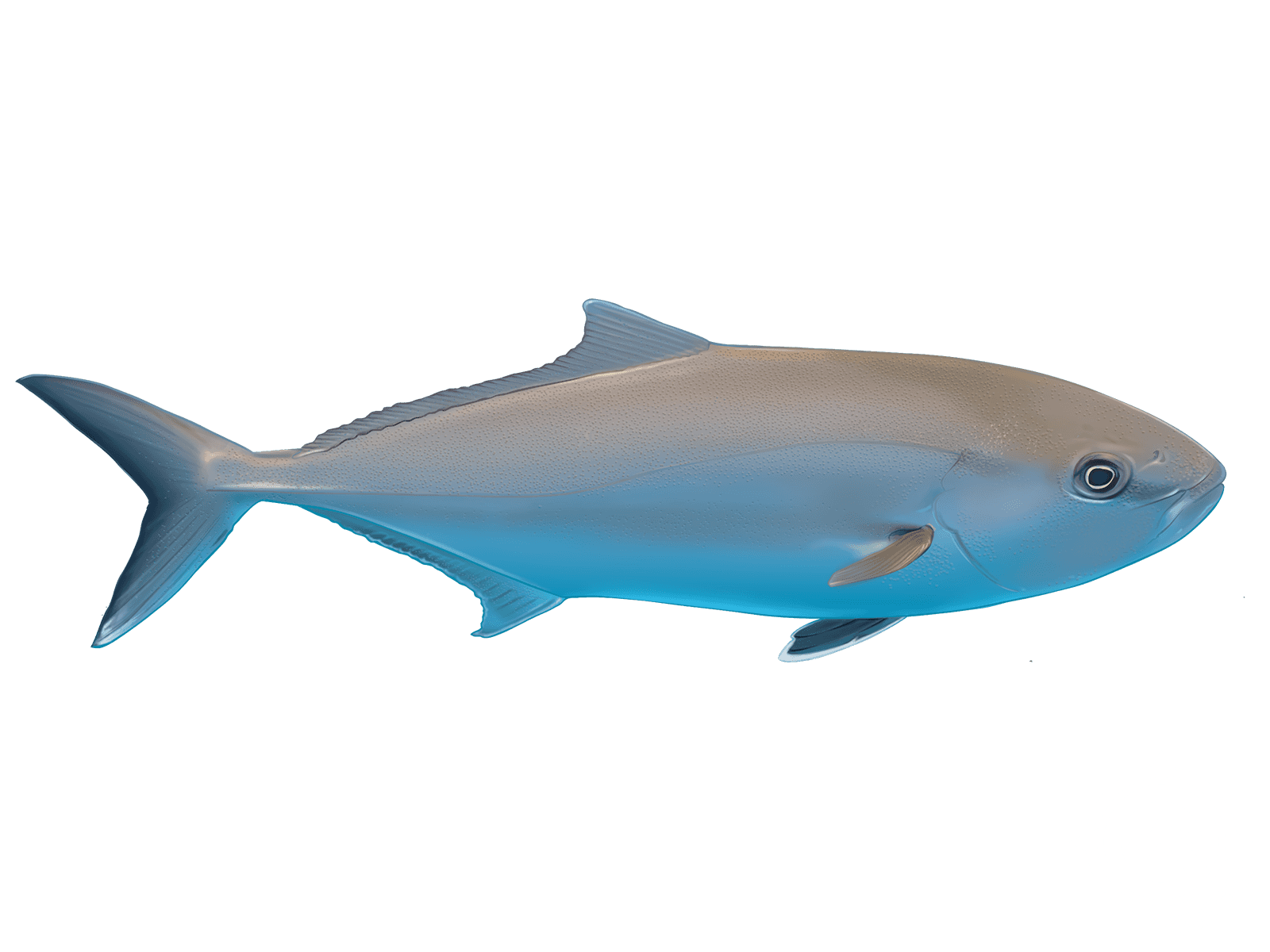
Greater Amberjack
Amberjack are the bulldogs of the reef - pure muscle that'll test your tackle and your back. These blue-grey fighters typically run 20-40 pounds but can hit 100+ if you're lucky. You'll find them around rocky structure and ledges, usually in 60-150 feet of water where they patrol for smaller fish and squid. The amber stripe along their sides gets darker when they're fired up and feeding. Spring through fall gives you the best shots when they're most active. What makes amberjack so popular is that raw power - they'll make long, strong runs straight down toward the rocks. They're also excellent table fare when prepared right. Here's the trick: once you hook one, keep steady pressure and pump-and-wind to get them up before they can get back to structure. Heavy tackle helps, but they'll eat anything from jigs to live bait.
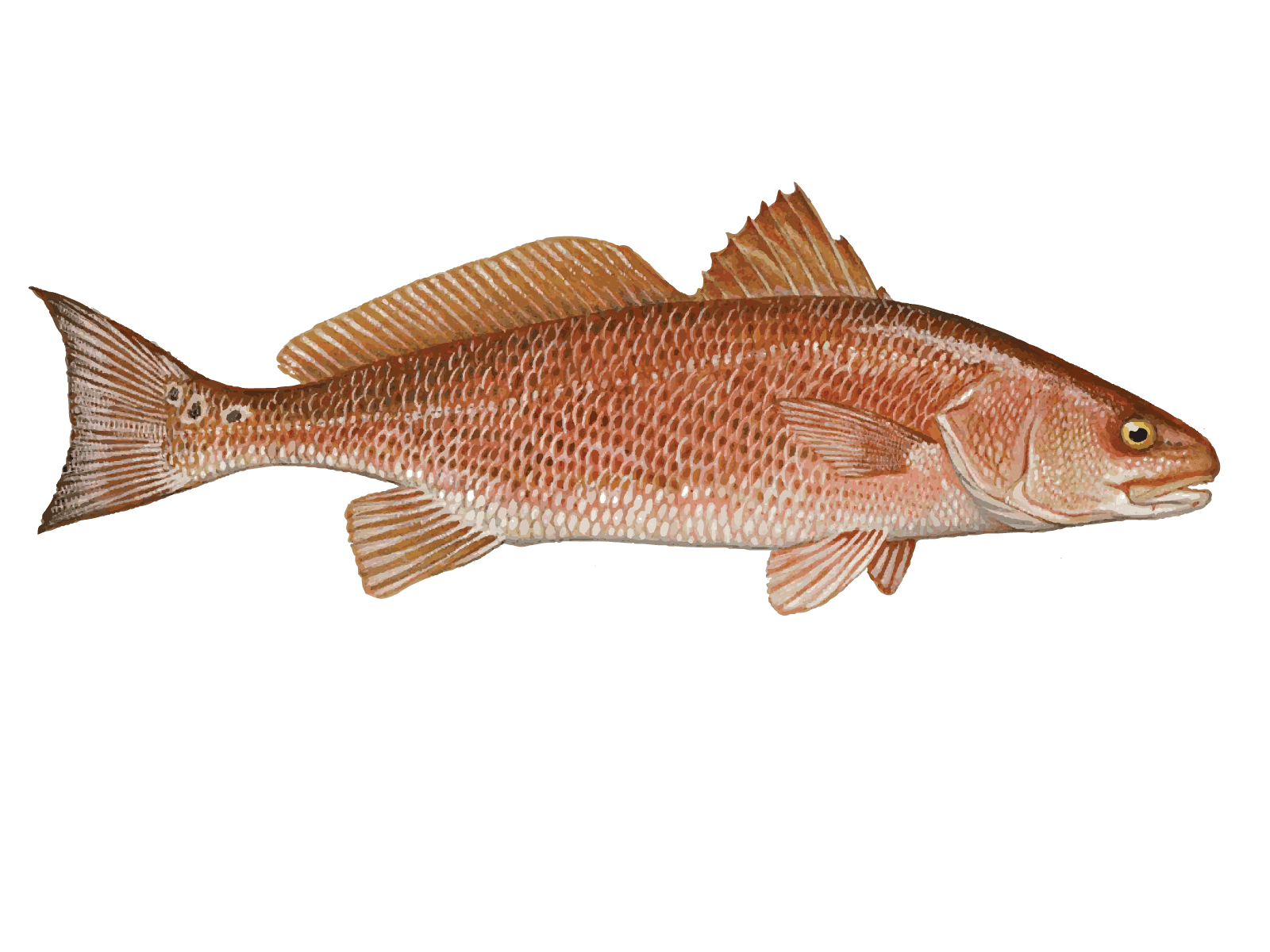
Redfish
Redfish are tough fighters that cruise super shallow water, sometimes with their backs showing above the surface. Around here, we target them in 1-4 feet over muddy bottoms near grass beds and oyster bars. They average 28-33 inches but can grow much larger - the biggest ones often show that classic black spot near the tail that fools predators. These copper-colored bruisers are year-round residents, but spring and fall bring the best action when they're actively feeding. What guests love most is the visual fishing - you can actually see them cruising and watch the strike happen. They fight hard with strong runs and head shakes. Plus, they're excellent eating with mild, sweet meat. Pro tip: when you spot one, cast well ahead of where it's heading and work your bait slow. They spook easily in shallow water.
Snook
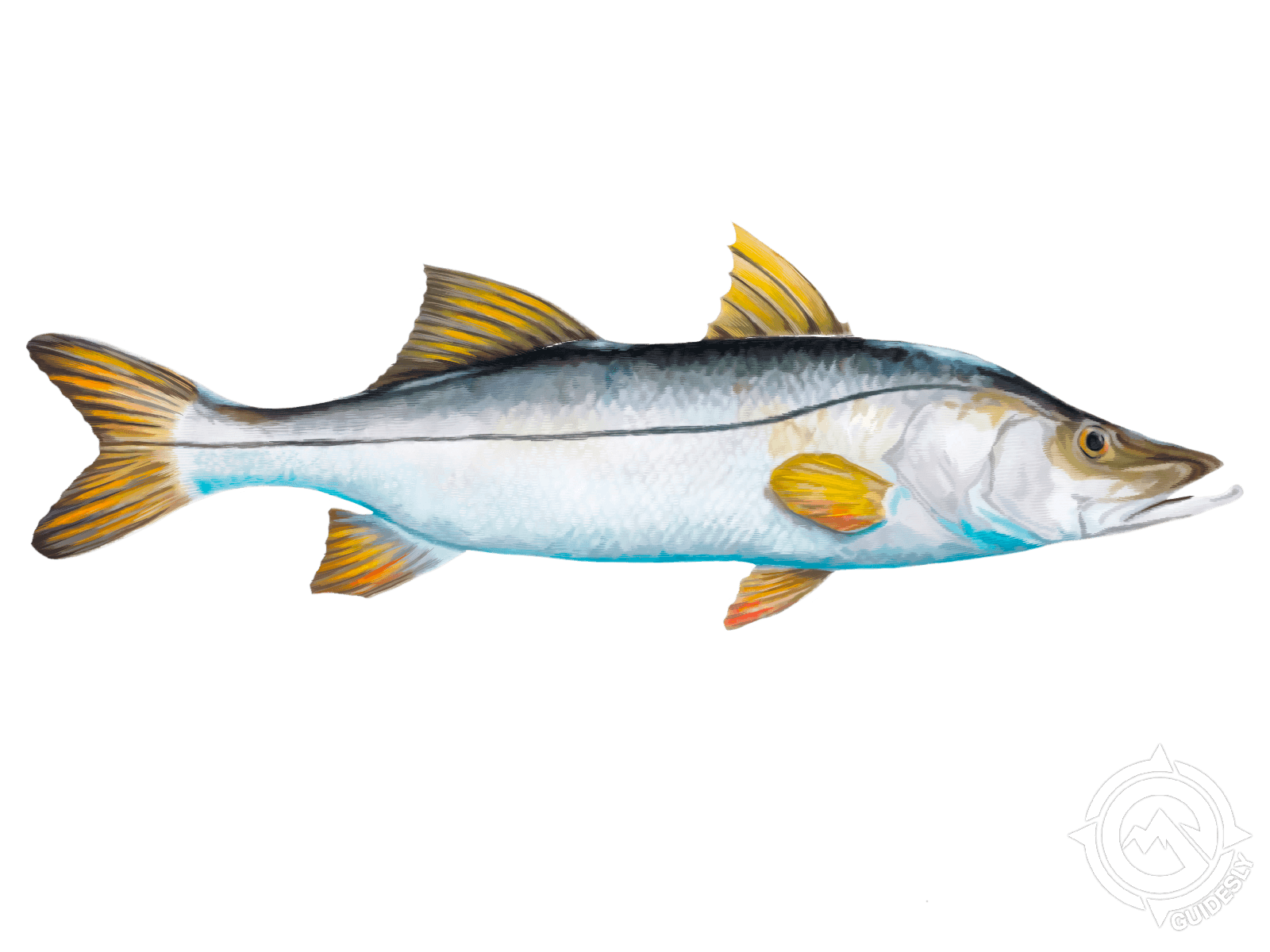
Snook are ambush predators that love hanging around structure - think mangroves, rocky points, and creek mouths where they can dart out for an easy meal. Most of what we catch run 1-3 feet, but the big females can push 4 feet and 50+ pounds. They're built for speed with that sleek body and pronounced black lateral line. These fish are temperature sensitive, so the warmer months from May through September are prime time when they're most active and feeding aggressively. What makes snook special is their explosive strike and strong initial run - they'll test your drag for sure. They're also great table fare with white, flaky meat. Here's the key: work your lures slow near cover and be ready for that sudden hit. Once hooked, keep steady pressure and don't let them get back into the structure.
About the Mr Trigger
%2F%2Fusers%2Fa6b03828-6de0-462d-824e-49acc73d6731%2Fvehicle_picture%2Fmrtrigger-mu4pfm0g.jpg&w=1920&q=75)
Vehicle Guest Capacity: 4
Manufacturer Name: Cat3126
Maximum Cruising Speed: 35
Number of Engines: 2
Horsepower per Engine: 420