%2Ffit-in%2F250x250%2Fguide_websites%2F184646%2Fimages%2F1789782382028mr-trigger-logo.jpg&w=1920&q=100)
/users/a6b03828-6de0-462d-824e-49acc73d6731/ratecard/dorado-mahi-mahi-pacific-ocean-mu4sp8b6.jpg)
%2F300x300%2Fusers%2Fa6b03828-6de0-462d-824e-49acc73d6731%2Fratecard%2Fdorado-mahi-mahi-pacific-ocean-mu4sp8b6.jpg&w=256&q=75)
%2F300x300%2Fusers%2Fa6b03828-6de0-462d-824e-49acc73d6731%2Fimages%2Fwading-fishing-tamarindo-guanacaste-2542.jpg&w=256&q=75)
%2F300x300%2Fusers%2Fa6b03828-6de0-462d-824e-49acc73d6731%2Fimages%2Ftamarindo-ocean-sailing-adventure-2267.jpg&w=256&q=75)
%2F300x300%2Fusers%2Fa6b03828-6de0-462d-824e-49acc73d6731%2Fimages%2Fblue-marlin-tamarindo-catch-2587.jpg&w=256&q=75)
%2F300x300%2Fusers%2Fa6b03828-6de0-462d-824e-49acc73d6731%2Fimages%2Fswimming-splash-tamarindo-underwater-2276.jpg&w=256&q=75)
%2F300x300%2Fusers%2Fa6b03828-6de0-462d-824e-49acc73d6731%2Fimages%2Ftamarindo-fishing-chair-setup-2556.jpg&w=256&q=75)
%2F300x300%2Fusers%2Fa6b03828-6de0-462d-824e-49acc73d6731%2Fimages%2Ftamarindo-fishing-boat-setup-2581.jpg&w=256&q=75)
%2F300x300%2Fusers%2Fa6b03828-6de0-462d-824e-49acc73d6731%2Fimages%2Ffishing-boat-tamarindo-waters-2413.jpg&w=256&q=75)
%2F300x300%2Fusers%2Fa6b03828-6de0-462d-824e-49acc73d6731%2Fimages%2Fmahi-mahi-tamarindo-fishing-catch-2518.jpg&w=256&q=75)
%2F300x300%2Fusers%2Fa6b03828-6de0-462d-824e-49acc73d6731%2Fimages%2Ftamarindo-redfish-fishing-catch-2610.jpg&w=256&q=75)
%2F300x300%2Fusers%2Fa6b03828-6de0-462d-824e-49acc73d6731%2Fimages%2Fwahoo-catch-tamarindo-fishing-2582.jpg&w=256&q=75)
Fast Coastal Trip for Prize Reef Species
 Tamarindo, Costa Rica
What you will be catching:
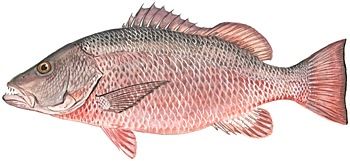 Cubera Snapper
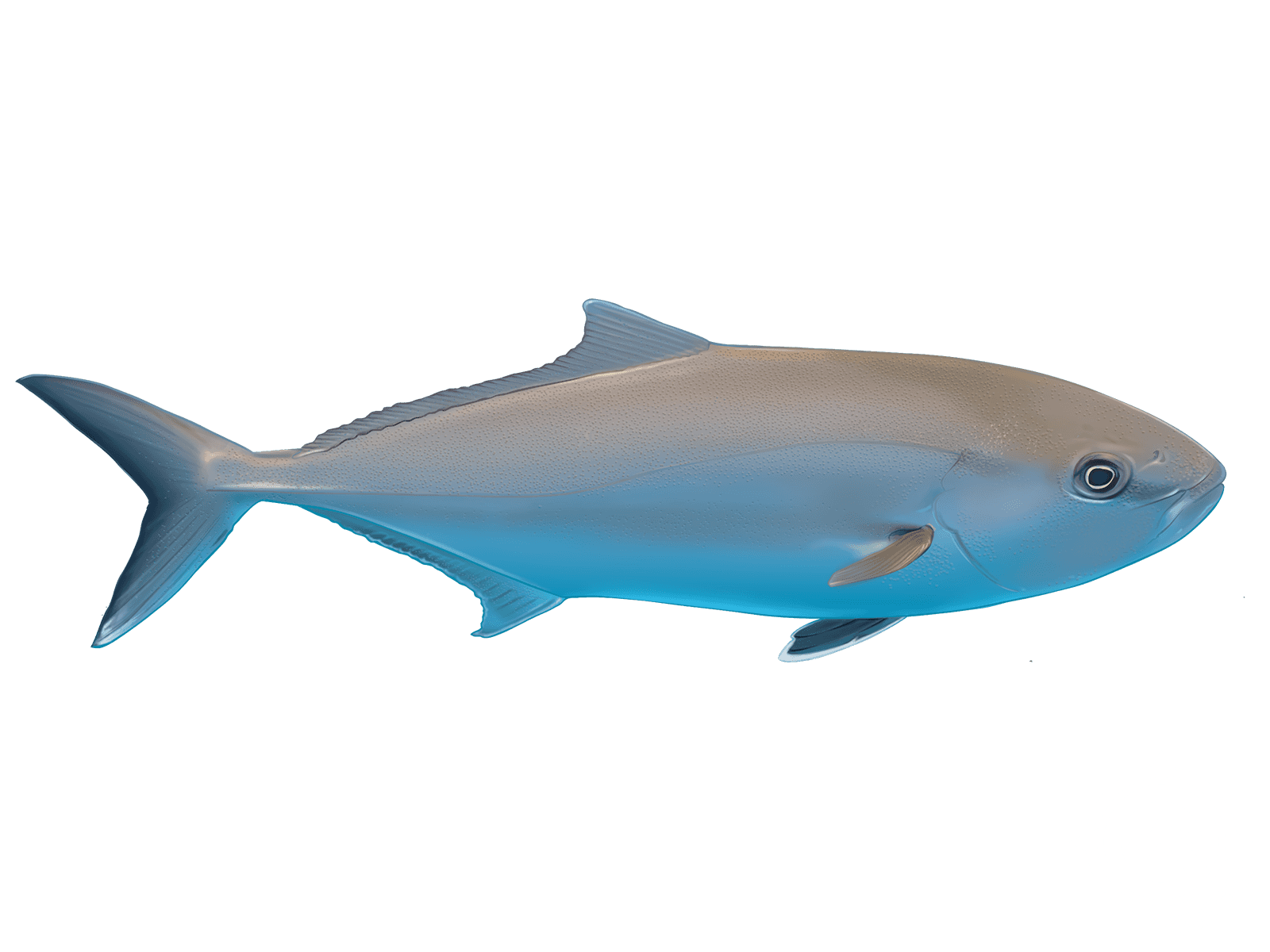
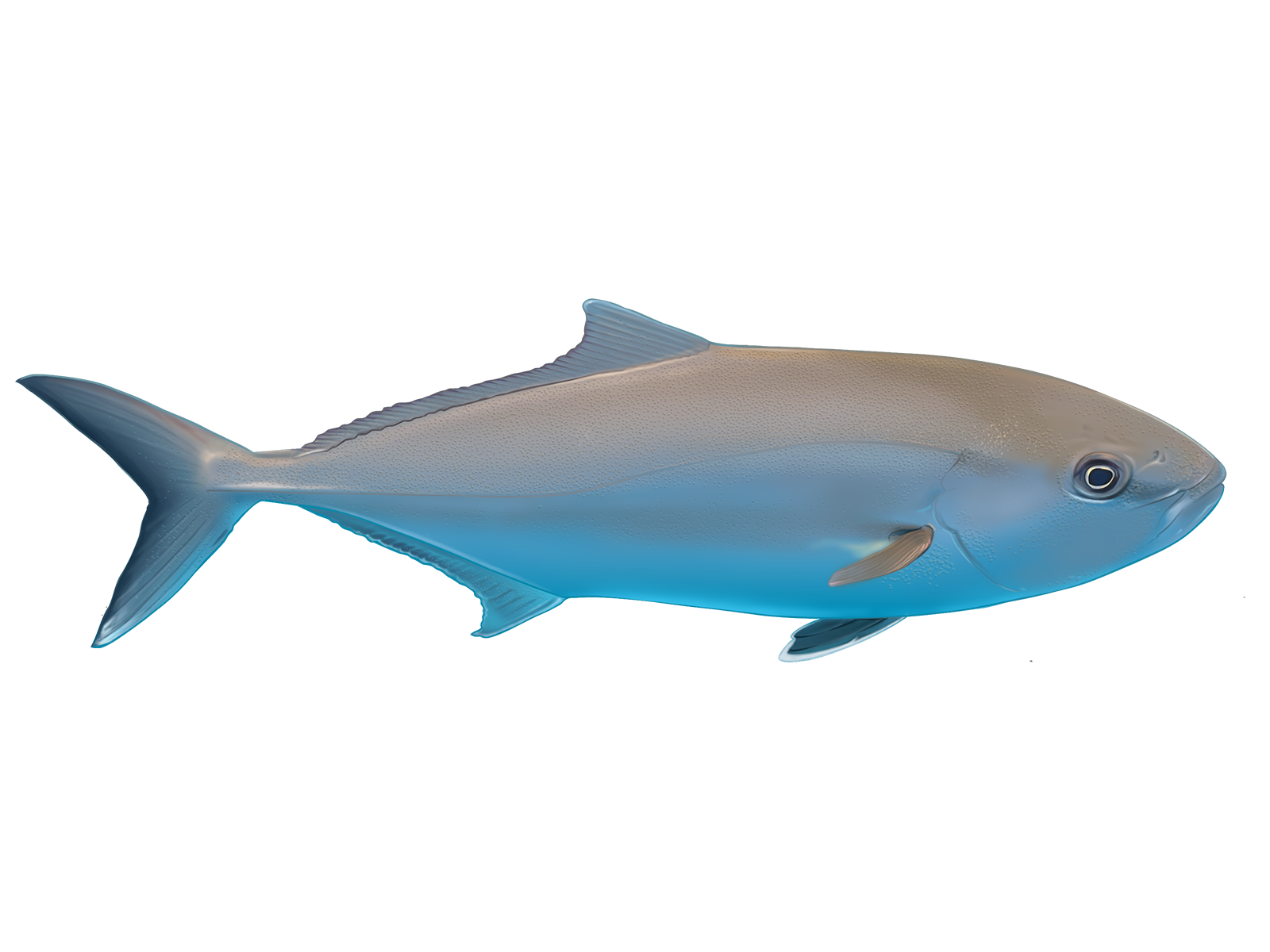 Greater Amberjack
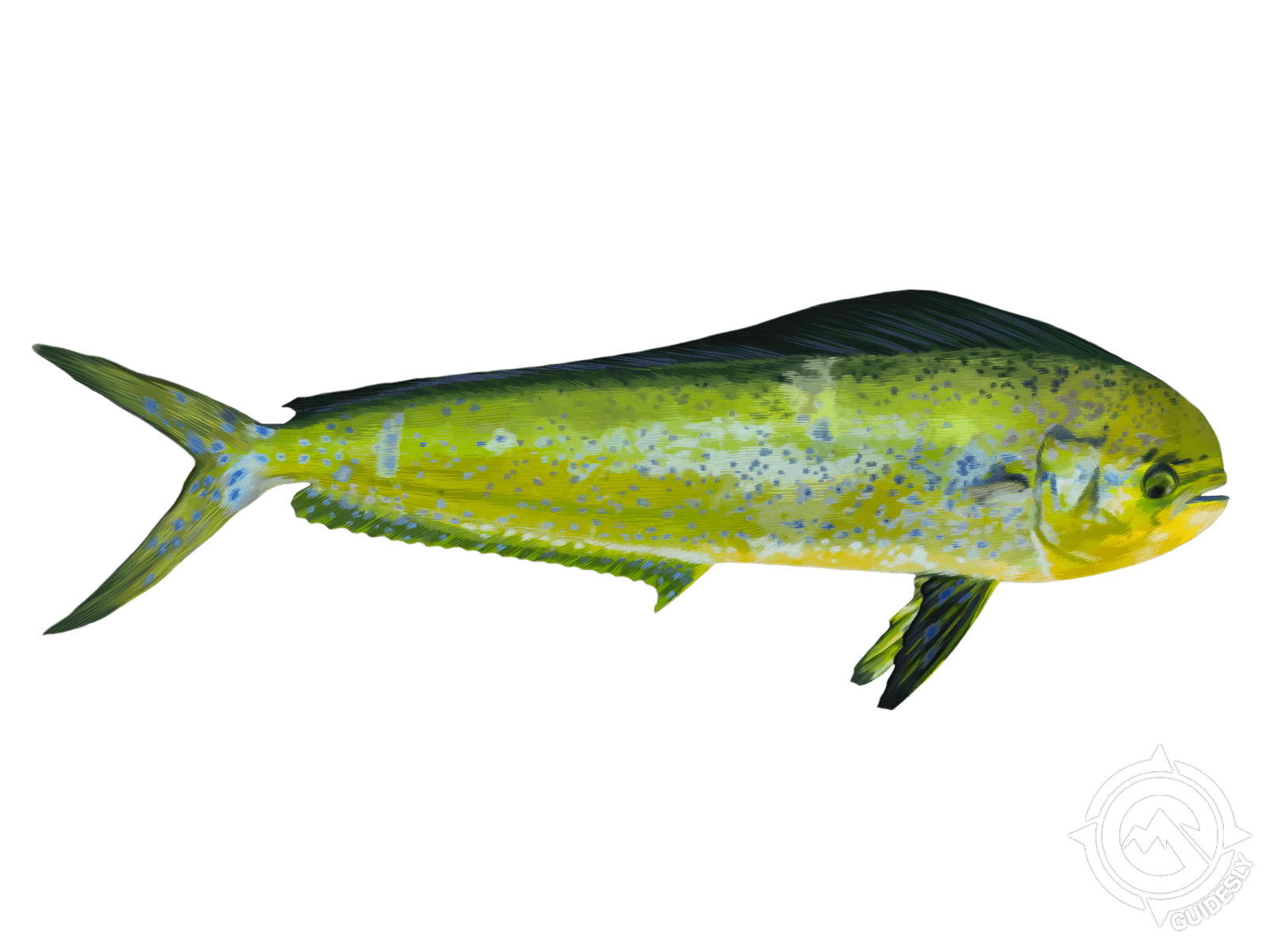
 Mahi Mahi or Common Dolphinfish
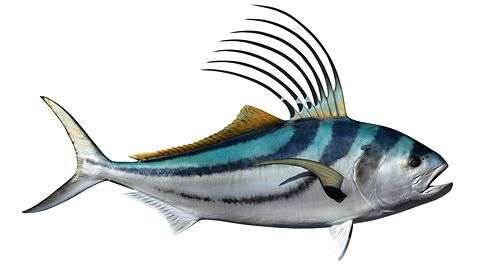
 Roosterfish
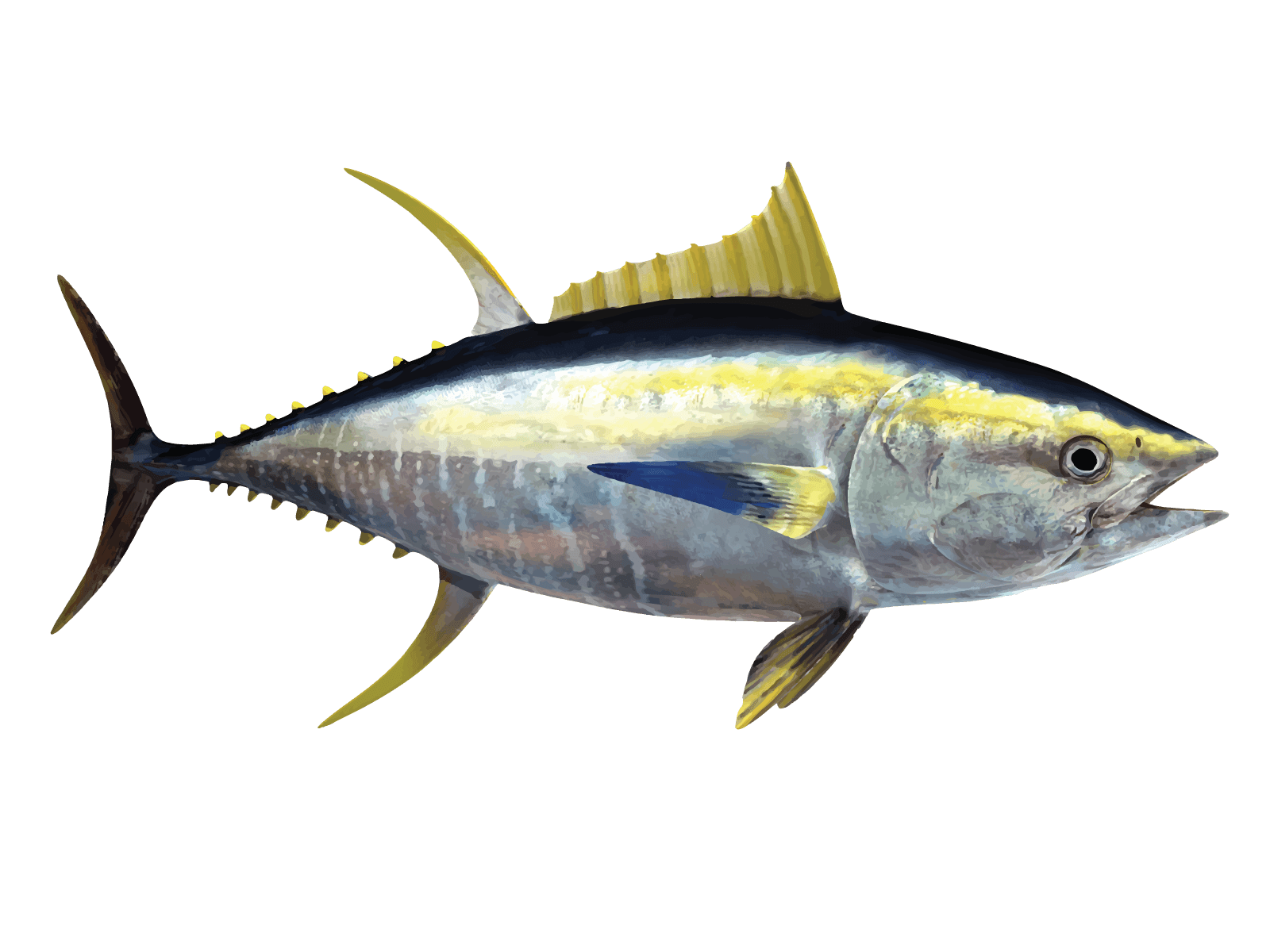
 Yellowfin Tuna
- Catch live bait along shoreline before offshore targeting
- Target Roosterfish, Cubera Snapper, Corvina, and Mahi Mahi
- First Mate provides bait gathering and line monitoring instruction
Trip Pricing and Availabilities:
Fast Coastal Trip for Prize Reef Species
When you're looking to get into some serious fish in a hurry, this coastal run out of Playa Flamingo delivers exactly what hardcore anglers are after. You'll spend your morning catching live bait right along the shoreline before heading to the productive waters where Roosterfish patrol and Mahi Mahi cruise the drop-offs. First Mate Evelio knows these waters like the back of his hand and will have you rigged up and ready to tangle with some of Costa Rica's most prized coastal species. This isn't a leisurely cruise - it's a focused fishing mission designed to put serious fish on the deck.
What to Expect on the Water
Your day starts with one of the coolest parts of the whole trip - catching your own live bait. There's something special about knowing the bait you're using came from your own efforts just minutes before. The crew fires up the live well and positions the boat along productive bait zones where sardines, anchovies, and other forage fish school up. Once you've got the well loaded with frisky live bait, it's game time. The boat moves directly to known hot spots where aggressive predators hunt along the coastal structure. You're looking at prime real estate here - rocky points, underwater ledges, and current breaks where big fish set up to ambush prey. With a maximum of 4 anglers aboard, everyone gets plenty of rod time and personal attention from the crew. The intimate group size means no fighting for position at the rail and First Mate Evelio can focus on putting each angler on fish.
Live Bait Tactics & Gear
The boat comes fully loaded with quality rods and reels matched to the species you're targeting, plus all the terminal tackle and safety equipment. Live bait fishing is an art form, and Evelio will show you how to present those fresh-caught baits to maximum effect. You'll learn proper hook placement to keep baits lively, how to read the sonar for structure and bait schools, and when to free-line versus using weight. The technique involves letting live baits swim naturally near productive structure while staying alert for the subtle taps and screaming runs that signal a trophy fish has found your offering. Circle hooks are the standard here for better hook-up ratios and fish survival. The crew handles all the rigging details, but they're happy to teach the finer points of knot tying, leader construction, and reading the water if you want to level up your skills.
Top Catches This Season
Roosterfish are the crown jewel of this coastal fishery, and when one of these silver rockets grabs your live bait, you'll understand why anglers travel from around the world to tangle with them. These fish hit like freight trains and immediately go airborne, showing off their distinctive rooster-comb dorsal fin. Most fish here run 20-40 pounds, with occasional bruisers pushing 60-plus. They're year-round residents but seem most aggressive during the dry season months when baitfish concentrate along the coast. The fight is pure electricity - long runs, spectacular jumps, and bulldogging power that will test your tackle and stamina. Roosterfish are also excellent table fare, though many anglers opt for catch-and-release to preserve this world-class fishery.
Mahi Mahi bring a different kind of excitement to the deck with their brilliant colors and acrobatic displays. These fish are built for speed and show it off with blistering runs and repeated jumps that showcase their electric green and gold flanks. School-size dolphin run 10-25 pounds and provide fantastic action on lighter tackle, while bull males can top 40 pounds and offer serious challenges even on heavy gear. They're most abundant during the warmer months but can show up any time conditions are right. Fresh Mahi on the grill is hard to beat, and these fish are perfect for anglers who want to take home a cooler full of premium table fare.
Cubera Snapper represent the heavyweight division of reef fishing, with mature fish reaching 50-80 pounds of pure muscle and attitude. These bottom dwellers hang around rocky structure and underwater pinnacles, waiting to ambush anything that ventures too close. When a big Cubera grabs your bait, there's no mistaking it - they hit hard and immediately try to drag your offering back to the rocks. The fight is all about leverage and endurance as these fish use their broad sides and powerful tails to maximum advantage. Peak action typically happens during the transition periods at dawn and dusk when these predators move up from deeper water to feed.
Greater Amberjack add serious pulling power to your fishing day, with fish commonly reaching 30-60 pounds in these waters. They're opportunistic feeders that respond well to live bait presentations, especially when you can get baits down to the 80-150 foot range where they typically cruise. These fish are notorious for their initial runs - they'll strip line off your reel at an alarming rate before settling into a grinding battle of endurance. Amberjack are most active during the cooler months but can be found year-round around deeper structure.
Yellowfin Tuna might be the ultimate prize for serious offshore anglers, combining incredible speed with outstanding table quality. When conditions align and the tuna move close to shore, live bait becomes absolutely deadly effective. These fish are pure performance athletes, capable of runs that will empty your reel in seconds. Most fish here run 20-80 pounds, with occasional giants that require every ounce of skill and endurance you can muster. Fresh yellowfin sashimi eaten on the boat within minutes of being caught represents one of fishing's ultimate experiences.
Time to Book Your Spot
This trip delivers exactly what it promises - focused fishing action with proven techniques in productive waters. You'll spend your time actually fishing instead of running for hours to reach distant grounds. The combination of catching your own live bait and immediately putting it to work creates an authentic fishing
Learn more about the animals
Cubera Snapper
Cubera are the giants of the snapper family, and around Playa Flamingo's reefs, they're pure muscle wrapped in gray-brown skin. These thick-bodied fighters commonly hit 30-50 pounds, with monsters over 80 pounds lurking in deeper structure. You'll find them around rocky ledges and reefs in 40-150 feet, where they ambush crabs, lobsters, and smaller fish. Spawning season from May through August brings the best action as they move shallow to breed. Guests love the power - cuberas make bulldogging runs straight for the rocks with those big canine teeth clamped down. They're solid eating too, though bigger fish can be risky. My tip: once hooked, winch them up fast before they reach cover. Use live bait and heavy tackle - these fish know every crack in the reef.
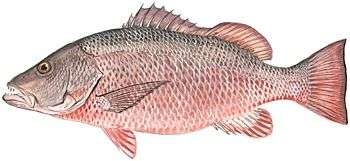
Greater Amberjack
Amberjacks are the bulldogs of the reef - thick, powerful fish that'll drag you around rocky structure if you're not careful. These silver-blue bruisers average 30-50 pounds but can push 100+, living around deeper reefs and wrecks in 80-200 feet. They're year-round residents, but fishing picks up during cooler months when they're more active. What guests love is the raw power - amberjacks make long, punishing runs straight for the rocks, testing your drag and arms. They're also excellent table fare with firm white meat, though bigger ones can carry ciguatera. My advice: once hooked, keep them coming up and don't let them get their head down. Use heavy tackle and keep that drag tight - they'll use every piece of structure to try breaking you off.
Mahi Mahi or Common Dolphinfish
Mahi are the speed demons of our coastal waters, reaching 50+ mph with their torpedo bodies and bright golden sides. Most fish we catch run 15-30 pounds, though they can hit 80+. These surface feeders love floating debris and weedlines where they hunt flying fish and small baitfish. You'll find them year-round in our warm Pacific waters, especially during rainy season when currents bring more food. Guests love them for their acrobatic fights - they jump repeatedly and change colors like a light show when hooked. Plus they're fantastic eating with firm, mild white meat perfect for the grill. Here's the trick: when trolling, make your bait skip on the surface like a flying fish. Mahi can't resist that action and will come from nowhere to smash it.
Roosterfish
Roosterfish are Costa Rica's signature game fish, and you'll know why once you see that famous "rooster comb" - those seven long dorsal spines they raise when excited or hunting. These coastal predators average 20-60 pounds but can reach over 100, making them serious fighters that'll test your arms and gear. They patrol sandy bottoms and rocky areas in 20-150 feet of water, feeding on sardines and small bonito. Best fishing is during dry season when baitfish are thick along the coast. What makes them special is the fight - they make powerful runs and jump like tarpon, plus they're beautiful in photos. My tip: when you hook one, keep steady pressure but let them run initially. They often make a final surge when they see the boat, so stay ready.
Yellowfin Tuna
Yellowfin are the ultimate pelagic predators - built for speed with those bright yellow fins and torpedo bodies. Most run 40-80 pounds, but we see fish over 200 occasionally. They cruise the upper water column in deep blue water, following baitfish and temperature breaks. Best action is during cooler months when they move closer to shore chasing schools of bonito and sardines. Anglers love them for the blistering runs and stamina - they'll peel line like no other fish. Plus they're premium sashimi-grade meat, perfect for the dinner table. The key is covering water with trolling spreads until you mark schools, then switch to jigging or chunking. When the bite turns on, it's game over - these fish hunt in packs and will tear up your spread in minutes.
About the Mr Trigger
%2F%2Fusers%2Fa6b03828-6de0-462d-824e-49acc73d6731%2Fvehicle_picture%2Fmrtrigger-mu4pfm0g.jpg&w=1920&q=75)
Vehicle Guest Capacity: 4
Manufacturer Name: Cat3126
Maximum Cruising Speed: 35
Number of Engines: 2
Horsepower per Engine: 420