%2Ffit-in%2F250x250%2Fguide_websites%2F184646%2Fimages%2F1789782382028mr-trigger-logo.jpg&w=1920&q=100)
/users/a6b03828-6de0-462d-824e-49acc73d6731/ratecard/sport-fishing-trophy-catch-holding-mu4sybrb.jpg)
%2F300x300%2Fusers%2Fa6b03828-6de0-462d-824e-49acc73d6731%2Fratecard%2Fsport-fishing-trophy-catch-holding-mu4sybrb.jpg&w=256&q=75)
%2F300x300%2Fusers%2Fa6b03828-6de0-462d-824e-49acc73d6731%2Fimages%2Fwading-fishing-tamarindo-guanacaste-2542.jpg&w=256&q=75)
%2F300x300%2Fusers%2Fa6b03828-6de0-462d-824e-49acc73d6731%2Fimages%2Ftamarindo-ocean-sailing-adventure-2267.jpg&w=256&q=75)
%2F300x300%2Fusers%2Fa6b03828-6de0-462d-824e-49acc73d6731%2Fimages%2Fblue-marlin-tamarindo-catch-2587.jpg&w=256&q=75)
%2F300x300%2Fusers%2Fa6b03828-6de0-462d-824e-49acc73d6731%2Fimages%2Fswimming-splash-tamarindo-underwater-2276.jpg&w=256&q=75)
%2F300x300%2Fusers%2Fa6b03828-6de0-462d-824e-49acc73d6731%2Fimages%2Ftamarindo-fishing-chair-setup-2556.jpg&w=256&q=75)
%2F300x300%2Fusers%2Fa6b03828-6de0-462d-824e-49acc73d6731%2Fimages%2Ftamarindo-fishing-boat-setup-2581.jpg&w=256&q=75)
%2F300x300%2Fusers%2Fa6b03828-6de0-462d-824e-49acc73d6731%2Fimages%2Ffishing-boat-tamarindo-waters-2413.jpg&w=256&q=75)
%2F300x300%2Fusers%2Fa6b03828-6de0-462d-824e-49acc73d6731%2Fimages%2Fmahi-mahi-tamarindo-fishing-catch-2518.jpg&w=256&q=75)
%2F300x300%2Fusers%2Fa6b03828-6de0-462d-824e-49acc73d6731%2Fimages%2Ftamarindo-redfish-fishing-catch-2610.jpg&w=256&q=75)
%2F300x300%2Fusers%2Fa6b03828-6de0-462d-824e-49acc73d6731%2Fimages%2Fwahoo-catch-tamarindo-fishing-2582.jpg&w=256&q=75)
Flexible Ocean Trip for Big Game Species
 Tamarindo, Costa Rica
What you will be catching:
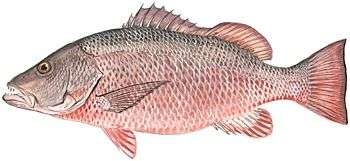
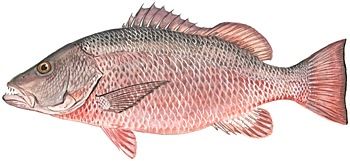 Cubera Snapper
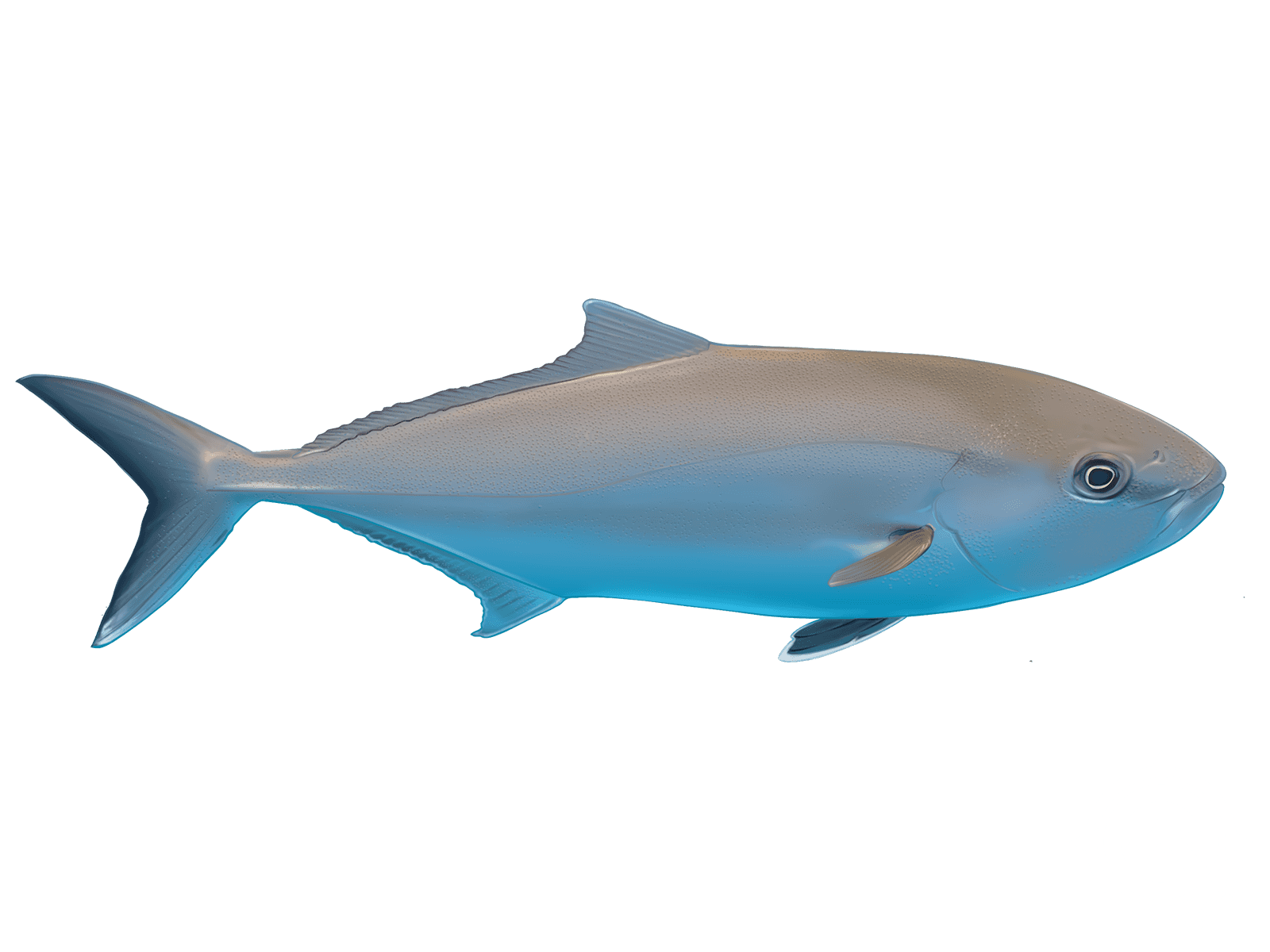
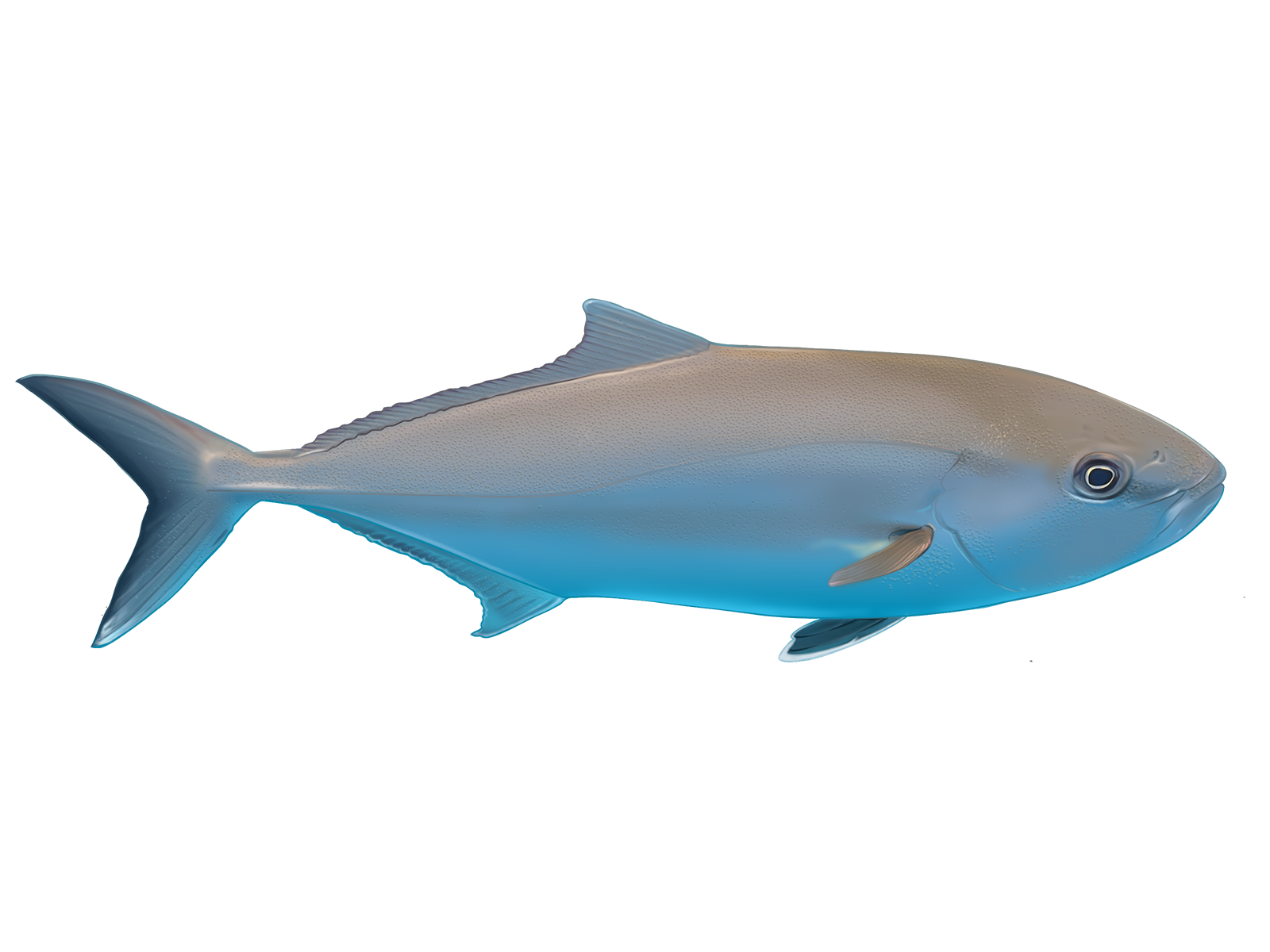 Greater Amberjack
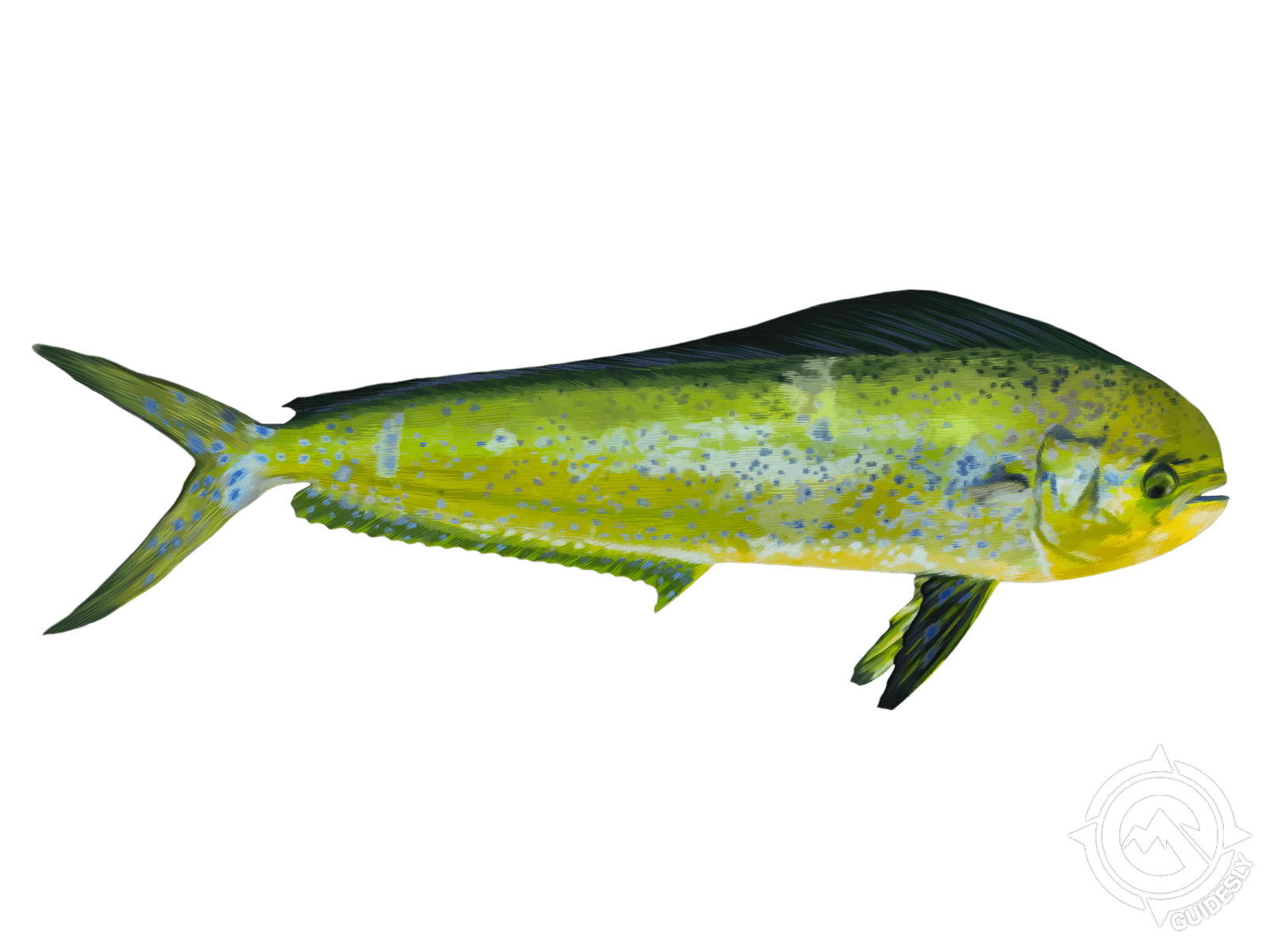
 Mahi Mahi or Common Dolphinfish
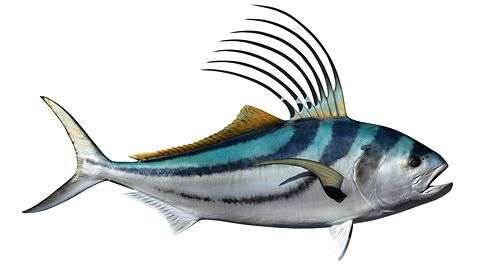
 Roosterfish
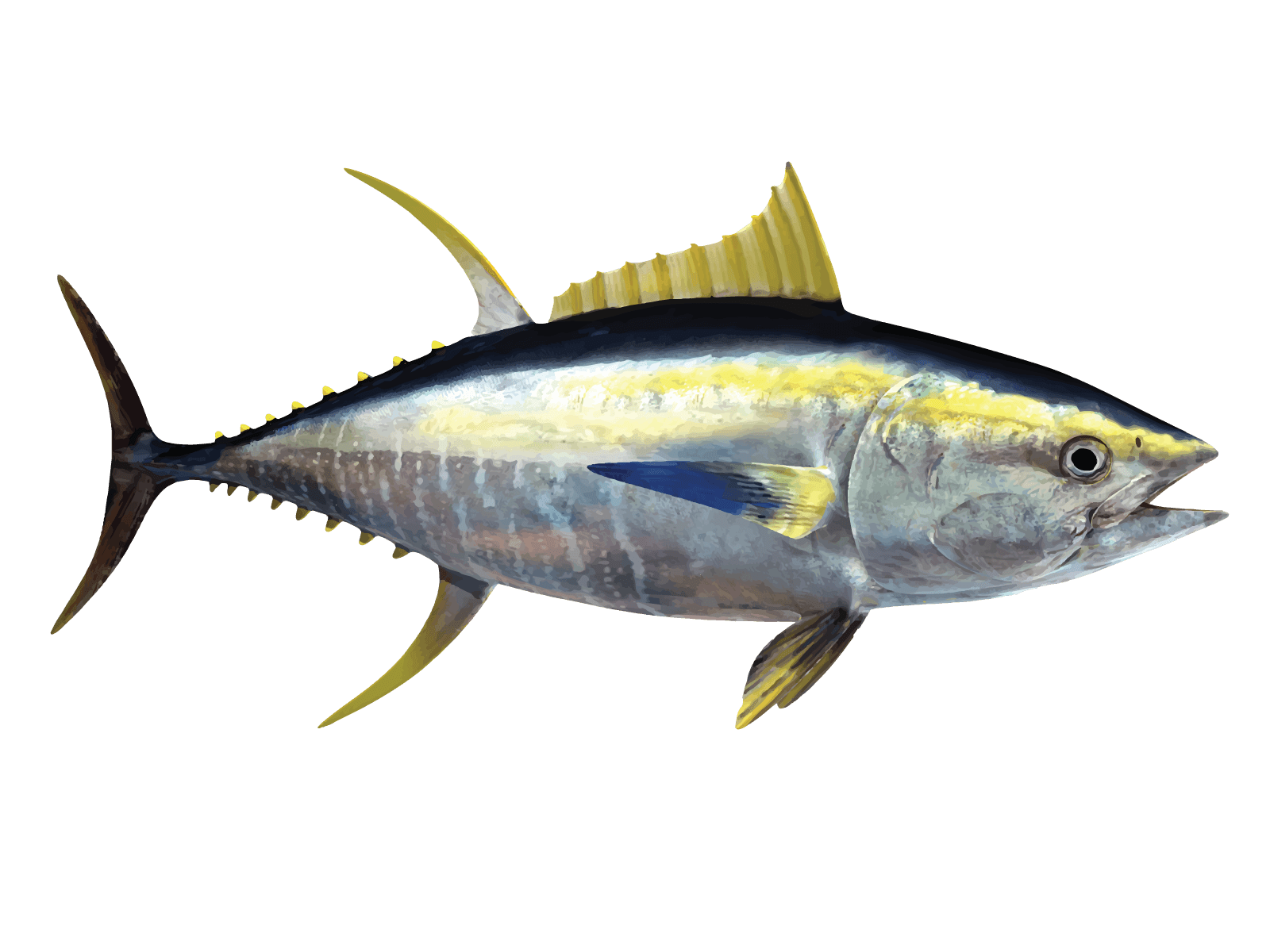
 Yellowfin Tuna
- Deep-water trolling targets marlin, sailfish, and tuna species
- Light tackle fishing for roosterfish near coastal rock structures
- Captain customizes routes based on conditions and guest preferences
Trip Pricing and Availabilities:
Flexible Ocean Trip for Big Game Species
Picture this: you're sipping fresh coffee as the boat cuts through calm morning waters, heading toward some of the most productive fishing grounds on the planet. Captain Jason and his crew have designed this trip around one simple concept – complete flexibility to chase whatever's biting. Whether you're dead-set on tangling with a massive marlin in the deep blue or prefer the adrenaline rush of sight-casting to roosterfish along rocky shorelines, this adventure adapts to your fishing dreams and the ocean's mood. With a maximum of three anglers aboard, you'll get personalized attention and enough elbow room to fight fish properly without bumping into other guests.
What to Expect on the Water
Every trip starts the same way – gathering live bait while the morning is still cool and the fish are active. Captain Jason knows that fresh, lively bait makes all the difference between a good day and an epic one. Once the bait wells are loaded, you'll head toward the deep water where the big pelagics roam. The crew deploys large artificial lures designed to mimic the wounded baitfish that trigger aggressive strikes from marlin, sailfish, and yellowfin tuna. But here's where this trip gets interesting – nothing's set in stone. If the offshore bite is slow, or if you're itching for some sight-fishing action, the boat can quickly transition back toward coastal structure where roosterfish patrol. Captain Jason reads the water constantly, adjusting the game plan based on bird activity, bait concentrations, and your personal preferences. The crew keeps you fed and hydrated throughout the day, so you can focus entirely on the fishing.
Techniques and Tackle
This trip showcases the full spectrum of offshore fishing techniques. In the deep water, you'll troll heavy tackle with large lures and rigged ballyhoo, covering serious ground to locate feeding fish. The captain runs a spread of four to six lines at varying depths, using outriggers and downriggers to present baits in the strike zone. When billfish show up, the crew switches to live bait – nothing beats a frisky sardine or mackerel to seal the deal with a picky marlin. Near the rocks and structure, the approach completely changes. Light tackle becomes the weapon of choice, with spinning reels loaded with braided line for maximum sensitivity. The crew uses ballyhoo and live bait to target roosterfish, often sight-casting to fish you can actually see cruising the shallows. Circle hooks are standard to ensure proper fish care, and the boat carries a full range of tackle sizes to match whatever species decides to cooperate.
Top Catches This Season
Roosterfish are the crown jewel of this fishery, and for good reason. These prehistoric-looking fighters can reach 60 pounds or more, with their signature dorsal fin creating one of the most recognizable silhouettes in sport fishing. They're ambush predators that lurk around rocky points and sandy beaches, often feeding in water so shallow you can see their backs. The best action typically happens during the warmer months when baitfish concentrate near shore. What makes roosterfish so special is their fighting style – they combine the initial run of a tarpon with the bulldogging power of a giant trevally.
Mahi mahi bring non-stop action and incredible aerial displays to every trip. These fast-growing fish school up around floating debris and weed lines, often providing multiple hookups when you find the right spot. They're excellent table fare and perfect for anglers who want consistent action. The larger bulls can exceed 40 pounds and will test your tackle with blistering runs and acrobatic jumps.
Greater amberjack are the bullies of the deep structure, using their powerful shoulders to try dragging you straight down to the rocks. These fish can exceed 100 pounds in these waters, making them a true test of angler skill and endurance. They're year-round residents but become more aggressive during cooler months when smaller fish move into their territory.
Yellowfin tuna represent the ultimate combination of speed, power, and stamina. These pelagic rockets can reach 200 pounds in local waters, providing some of the longest fights you'll ever experience. They're most active during dawn and dusk periods, often feeding on the surface in massive schools that create visible commotion from miles away.
Cubera snapper are the heavyweights of the snapper family, with large adults reaching 60 pounds or more. These reef dwellers require precise presentations around rocky structure, and their powerful jaws can straighten hooks if you're not using heavy enough tackle. They're primarily nocturnal feeders but can be targeted during the day around deeper structure.
Time to Book Your Spot
This flexible approach to offshore fishing delivers something that rigid, one-size-fits-all trips simply can't match – a day that's truly tailored to your goals and the ocean's conditions. Whether you're a seasoned angler chasing your first marlin or someone who just wants to experience world-class fishing with top-notch guides, Captain Jason and his crew have the knowledge and equipment to make it happen. The small group size ensures you'll get hands-on coaching when you need it and plenty of space to enjoy your fights. Don't wait too long to secure your dates – the best fishing weather fills up fast, and you don't want to miss your chance at the fish of a lifetime.
Learn more about the species
Cubera Snapper
Cubera snapper are the heavyweight champions of the snapper family, and landing one is always a memorable fight. These thick-bodied bruisers average 20-40 pounds but can reach 80+ pounds with massive canine teeth that'll remind you why they're called "dog snappers." Find them around rocky ledges, reefs, and structure in 50-150 feet where they hunt crabs, lobster, and smaller fish. Summer months offer the best action when they move shallow to spawn, though big ones live deep year-round. What gets anglers fired up is that initial slam followed by a bulldogging fight straight back to structure. They're also excellent eating with sweet, firm meat. My advice: use heavy tackle and live bait like skipjack or large squid on the bottom. When you get bit, set hard and crank fast - don't give them time to think or they'll wrap you in the rocks below.
Greater Amberjack
Amberjack are the bulldogs of the reef - pure muscle that'll test your arms and your drag system. These bruisers commonly hit 30-60 pounds with some monsters pushing 100+. Look for them around deep structure, wrecks, and rocky bottom in 80-200 feet of water where they patrol for squid, sardines, and whatever else swims by. Spring through fall gives you the best action when they're most active and feeding heavily. What makes them popular is that raw power - they'll dive straight for the bottom and just keep pulling. The meat's excellent too, with firm white fillets that grill up perfectly. One thing to remember: when you feel that first big thump, don't give them an inch. Set the hook hard and start cranking immediately. If you let them get their head down and reach structure, they'll cut you off on the rocks every time. Heavy tackle and no mercy - that's how you boat these fish.
Mahi Mahi or Common Dolphinfish
Mahi are probably our most rewarding catch - they fight hard, look stunning, and taste even better. These fast-growing fish typically run 15-30 pounds, though we see some pushing 50+. You'll spot their brilliant gold sides and electric blues around floating debris, weedlines, and current edges in open water. They're surface dwellers that love to travel in schools, so where there's one, there's usually more. Peak season runs through the warmer months when they follow baitfish migrations, but we catch them year-round. What guests love most is the aerial show - mahi jump repeatedly and change colors like a light display when hooked. The meat is firm, mild, and perfect for dinner. Pro tip: when you hook your first one, keep it in the water and get another bait out fast. The school will often stick around to investigate their hooked buddy, and that's when you can double or triple up.
Roosterfish
Roosterfish are one of those species that'll stick with you long after the trip. These unique fighters average around 40-50 pounds but can push over 100, with that famous "rooster comb" of seven long dorsal spines that shoot up when they get excited or hunt. You'll find them cruising rocky shorelines and sandy-bottom areas in 20-100 feet of water, especially around structure where they ambush sardines and small fish. They're strong year-round but peak during warmer months when baitfish are thick. What makes them special isn't the eating - most folks release them since the meat's tough - but the fight and those photos with that spectacular fin display. Here's the key: when you hook one, keep steady pressure but don't horse it. They'll make long, powerful runs and often surge hard when they see the boat, so stay ready for that final burst.
Yellowfin Tuna
Yellowfin are the ultimate open-ocean athletes - built for speed and stamina. These torpedo-shaped fighters commonly weigh 40-80 pounds, though we've seen them over 200. They cruise the upper water column in deep blue water, often following temperature breaks and current lines where baitfish concentrate. Best fishing happens during cooler months when they move closer to shore, but they're around year-round if you know where to look. What draws people back is that raw power combined with incredible speed - they can hit 50 mph and will peel line like nothing else. Plus, the meat is premium sashimi grade, perfect for the grill or sushi dinner. Here's what I always tell guests: when trolling for yellowfin, watch for bird activity and keep your drag smooth. These fish hit hard and run harder, so if your drag sticks or you jerk the rod, you'll just pull the hook. Let them run, stay calm, and be ready for a real workout.
About the Mr Trigger
%2F%2Fusers%2Fa6b03828-6de0-462d-824e-49acc73d6731%2Fvehicle_picture%2Fmrtrigger-mu4pfm0g.jpg&w=1920&q=75)
Vehicle Guest Capacity: 4
Manufacturer Name: Cat3126
Maximum Cruising Speed: 35
Number of Engines: 2
Horsepower per Engine: 420